
LATTE
THE COFFEE DRINK
THAT TURNED MILK
INTO A CRAFT
A short cultural history of espresso, steamed milk, microfoam, and the pleasure of making a familiar cup your own.
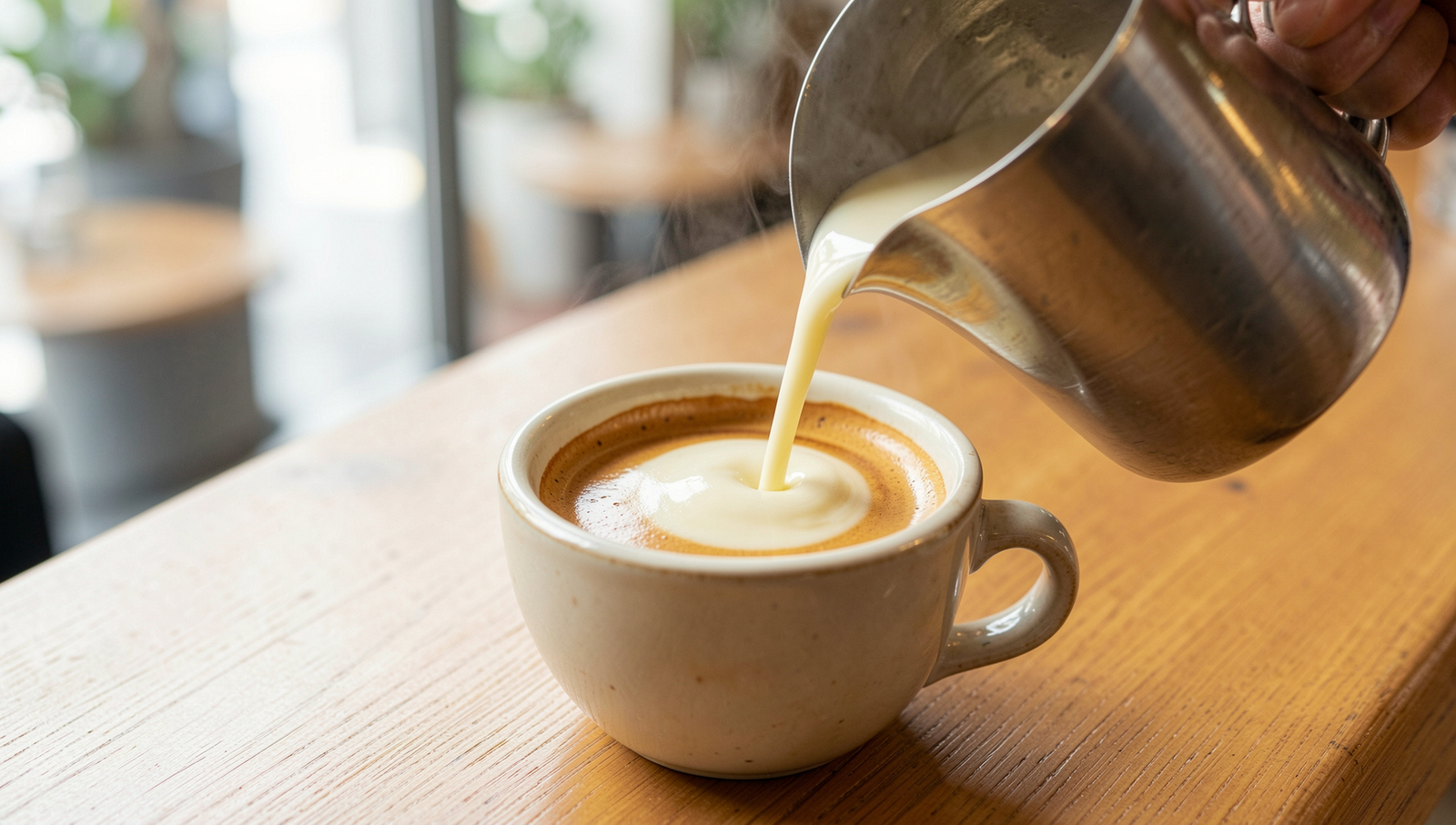
A latte is more than “coffee with milk”
Its character comes from the balance between espresso, steamed milk, and fine microfoam.
A caffè latte begins with espresso and a generous amount of steamed milk, finished with a thin layer of microfoam. That foam is the quiet technical achievement: tiny, evenly distributed bubbles create a surface that feels glossy rather than airy, and a mouthfeel that carries coffee smoothly across the palate.
Proportion changes the experience. More espresso keeps the cup vivid and roasty; more milk softens intensity and brings forward a gentle sweetness. Temperature matters too. Milk that is heated carefully tastes round and sweet, while milk pushed too far becomes flat and loses its freshness.
The latte sits beside two familiar relatives. A cappuccino is typically smaller and more concentrated, with a thicker foam structure. A latte macchiato reverses the visual emphasis: milk is marked by espresso, often in distinct layers. The drinks share ingredients, but their proportions and textures tell different stories.
For a home barista, milk is an approachable place to begin. It changes intensity, sweetness, temperature, and texture without requiring a new coffee every time.
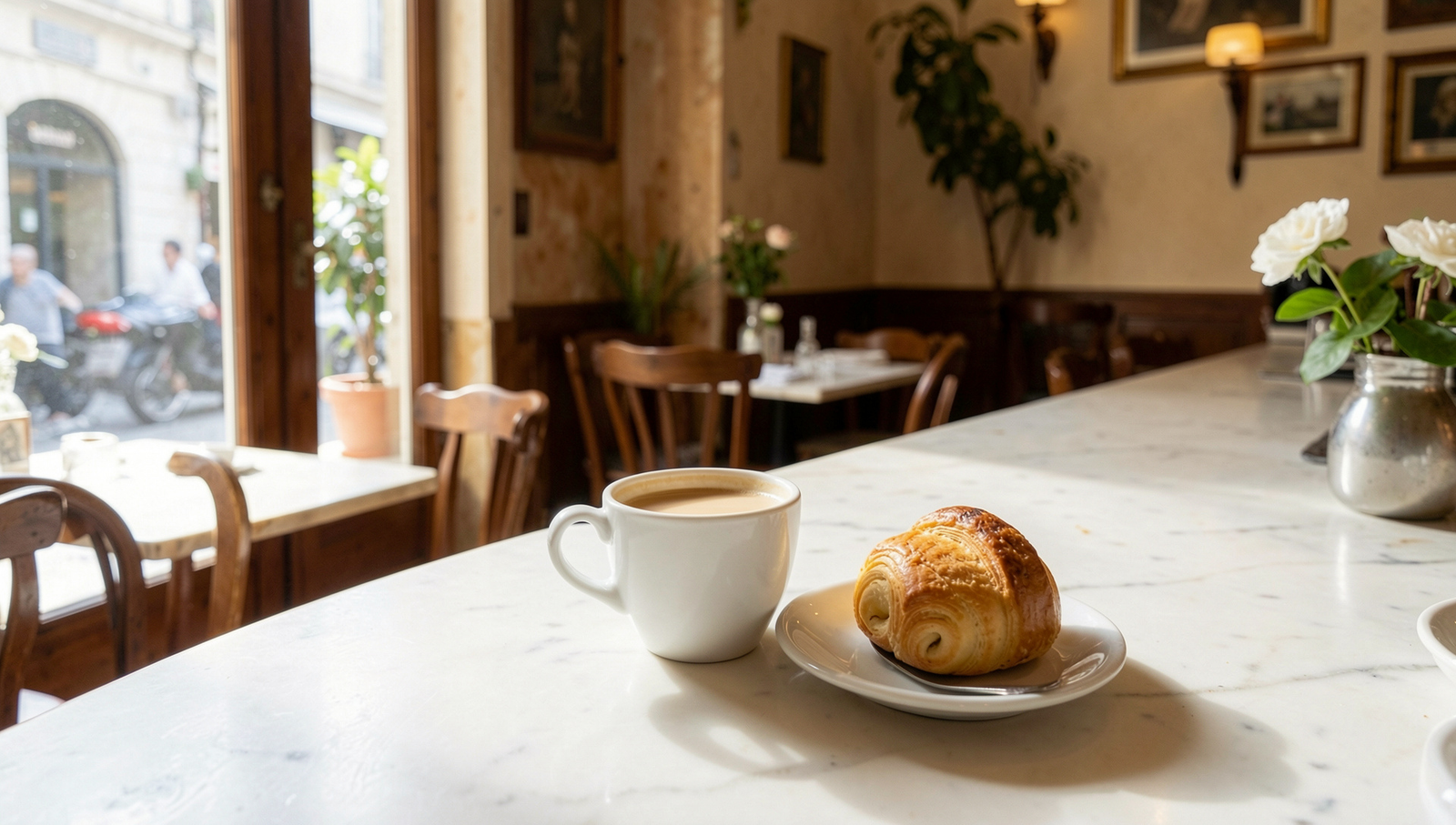
Its roots are Italian, but its story is international
One name belongs to a wider family of coffee-and-milk traditions.
In Italian, latte simply means “milk.” A caffè latte is the fuller phrase for coffee with milk, but ordering only “latte” in Italy can amount to asking for milk itself. The familiar café order carries a small lesson in language: names travel, and they do not always keep their original meaning intact.
The drink belongs beside other regional expressions of the same basic instinct. Spain has café con leche. France has café au lait. Each connects coffee and milk through its own habits, timings, vessels, and social rituals. They are related, but they are not interchangeable; the details are part of the culture.
Italian espresso drinks later spread widely through modern coffee-shop culture, where the latte became an especially legible introduction to espresso. Its name sounded specific, its flavor felt approachable, and its surface offered room for a barista’s hand.
That international journey did not erase the Italian root. It made the latte a meeting point: a drink with a recognizable origin that keeps changing as it enters new cafés, kitchens, and daily routines.
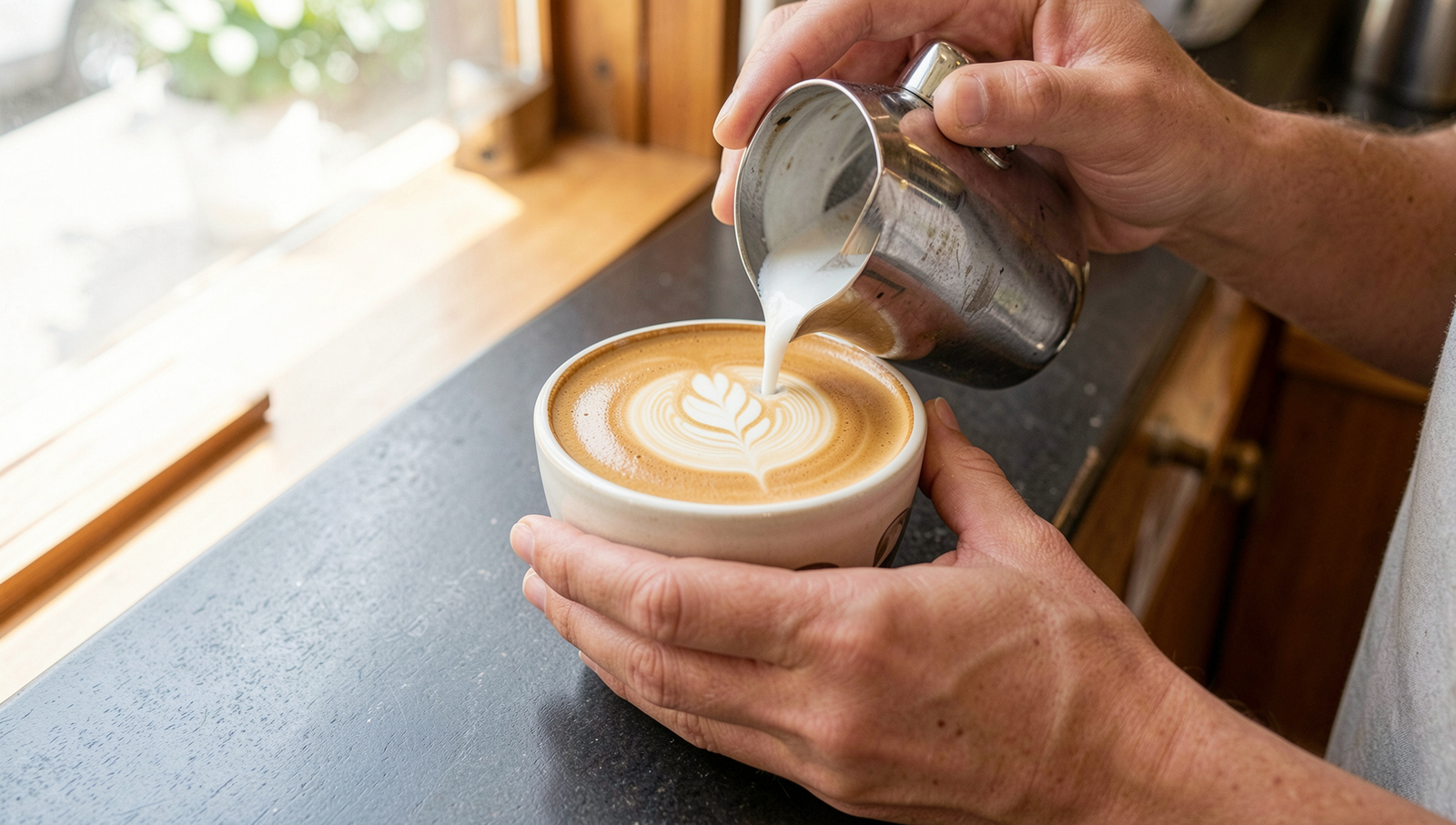
Why the latte became a canvas for personal taste
Milk gives the drink enough room for both interpretation and ritual.
Room for the coffee
A generous milk base can carry a bright light roast, deepen a chocolatey medium roast, or soften the edges of a darker coffee. The latte does not erase the bean. It changes how the bean arrives: slower, rounder, and more integrated with sweetness.
Room for a ritual
An understated Italian breakfast latte can be quick and familiar. The customized café latte many home baristas know today may be slower, more considered, and shaped by personal preference. Both rituals belong to the drink’s story.
Room for the hand
Microfoam is texture, but it is also a visual medium. A careful pour can leave a simple white heart, a rosette, or no pattern at all. The point is not decoration for its own sake. The pattern reveals how the milk moves and whether the foam is smooth enough to float across the espresso.
The latte became a canvas because its structure is generous. There is space to notice roast, temperature, sweetness, texture, and the gesture of the pour.
What home baristas can learn from the tradition
The cultural story becomes useful when you pay attention to what changes in the cup.
Begin with the coffee
Notice what the espresso already brings: fruit, bitterness, toast, sweetness, or depth. Choose the milk amount as a response to that character rather than treating every coffee the same.
Pour with intention
Start high enough to mix, then lower the pitcher as the cup fills. Whether the result is a heart or an unmarked surface, the contrast between espresso and milk should feel deliberate.
Steam for silk
Listen for a quiet stretch of air entering the milk, then keep the pitcher moving so the foam becomes fine and glossy. A stiff cap of bubbles sits on top; microfoam becomes part of the drink.
Compare one variable
Make the same latte with two coffees or two milk textures. Keep the cup, volume, and timing as similar as you can. Notice what changes in aroma, sweetness, body, and finish.